Health Is Vital

Health is taken for granted, until you can't any more. In this blog I hope to put down on paper some of the articles I come across and want to remember, about health. I will be personalizing these articles to apply to me. I am diabetic, over weight, have high blood pressure and tinnitus, so these are the things you will find here. I will include nutrition, exercise, and holistic health, and many other ideas. I work in the health profession, particularly mental health, and have an interest in suicide prevention; so these topics will also be covered in this blog. Please, if you are suffering reach out. Our county health and crisis line is 1-855-278-4204.
Showing posts with label safety. Show all posts

Friday, April 10, 2026

Avoiding Falls as an Older Adult

 I came across a flyer posted in the bathroom of the Kingman Visitors Center.  It is important to take care of any fall hazards, use the handrail on stairs, and avoid over loading yourself, especially not blocking your vision.


Thursday, February 12, 2026

Network Article: Never Plug these 8 Kitchen Appliances into a Power Strip (It's Dangerous)

 Never Plug these 8 Kitchen Appliances into a Power Strip (It's Dangerous) Bliss Donahue-Power in Home & Design via Man Made DIY.  Sometimes we have to resist the temptation to plug everything into a power strip; especially in the kitchen.  Sometimes apppliances require too much electricity, and power surges to make this practical.  It can result in excessive heat and fire risk, or tripping a breaker which would shut the appliance off.

The appliances mentioned are the refrigerator.  This surges at ties which could trip the breaker and spoilage could b the result.  Microwaves require too mu h power to make a power strip feasible.  Toasters and toaster ovens generate too much heat to use a power cord.  Slow Cookers cook slowly.  It is not wise to use a power strip for that extened period of time as cords will het up.  Another appliance with a heating element is the coffee maker.  Heating water rapidly is not conducive to a power strip.  The blender also needs its own outlet because starting up they use a surge of power which can potentially damage the power strip, or worse the blender's motor.  Air fryers also use heating  coils and fans to cook food quickly.  Heating coils and power strips should not mix.  Electric kettls are also on the list.  They draw too much power and this can quickly melt a power strip.  


Thursday, March 22, 2018

Helmet Safety: Protect Your Head

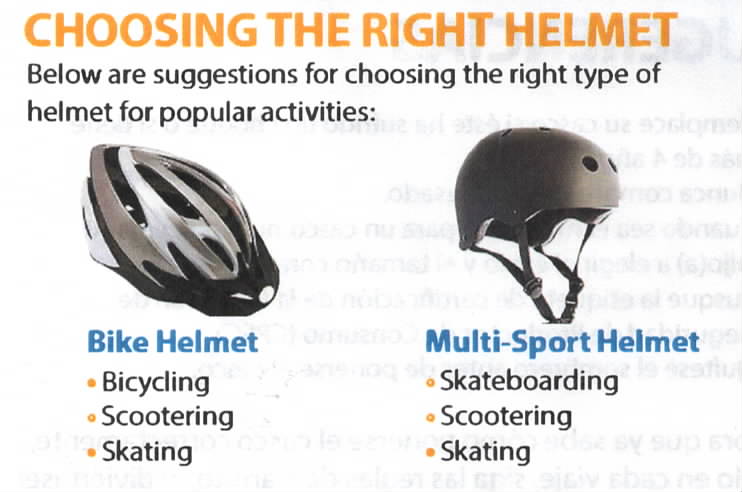
This flyer comes from Santa Clara Valley Transportation Authority.  Wearing a helmet is so important when riding--bicycle, skateboard, skating scooter.  Brain injury can lead to death, but also permanent disability.  This flyer also addresses the proper wearing of the helmet.  I didn't realize what the difference in helmets meant, or how to wear the helmet correctly.  ALso tossing the helmet after four years, or earlier if it has been in a crash, and no used helmets. 

Sunday, March 4, 2018

Safety in a Construction Area


There has been construction going on at the hospital for many years.  It seems construction will be with us for the next several years as well.  The hospital is being taken down, and rebuilt one section at a time.  Came across this interesting poster of safety clothing for construction workers. 

Saturday, September 30, 2017

Safety Seminar: Safety It Starts with You by Craig Harrison

Craig Harrison was the Keynote speaker at the Safety Seminar.  He talked about creating a culture of safety.  He included three things: Establish trust, Two-way communication and Cultivate a Kaisan philosophy of continuous learning.  He presented as examples of this philosophy Tesla Motors, which was able to reduce their accident rate, and the pilot Sully (Chesley Sullenberger), who has in place a system of employing these methods with his flight crew, even if someone is newly assigned.  He would meet with his assigned crew before they began their flight.  At this meeting he would open communication, and provide a safe atmosphere for them to work together towards a common goal. 
The last topic presented by Harrison was that of praising.  His four tips for praise: Make it genuine, Make it specific, Never mix positive with negative, keep praise positive and It should be timely to be most effective.  He further emphasized praise by saying, MBW, Manage by Wandering, catch people doing things right and be a praise dispenser!

Friday, February 24, 2017

Risk of Static Shock and your Car


This warning advises doing two things, releasing static electricity before fueling by touching your hand against a metal surface.  Second it strongly suggests not reentering the car after you start fueling.  I am very good at the second, not so good at the first.  I am not sure how frequent this problem is; but it must happen.  Even one accident, if it involves yourself is too many.

Sunday, February 5, 2017

Train Safety from VTA LIghtrail

I am always preaching train safety.  It is a big enough problem in Argentina that a common good bye was "Que no te pise un tren"  "Don't let a train run over you."  SO this is good advise.

Monday, December 26, 2016

New Years Eve Safety Tips

Drinking: The biggest worry here is to not leave your drink unattended.  There are too many looking to spike drinks.  Also of concern is uncorking the champaign in a safe manner.  Too many have lost eyes or had them damaged.  Also aim the cork away from people.
Driving: The best way to handle this is to not drive on New Years Eve.  There are too many people who or buzzed or intoxicated.  Perhaps you can spend the night at the party, or take public transportation when possible.  If you must drive, and people intend to drink a designated driver who doesn't drink is essential.  Buzzed driving is driving under the influence; as is driving after  using drugs or marijuana.
Public events:  Never attend alone; always go with a group.  There is safety in group.  Also please have some form of communication.  Be alert and aware of your surroundings.  Likely you are with people who have been drinking, and in an area which is unfamiliar.
Fireworks and guns: If fireworks are part of you New Year plans best is a public display.  Personal sparklers can be dangerous, and children should not use them, and if they do close supervision is needed.  An no shooting of guns.  What goes up must come down; and too often an innocent person can be insured or killed.
Pet safety:  Remember pets do not like loud or unusual noises.  Take precautions if your pet may be subject to this.
For more information check here or here.

Friday, December 16, 2016

Article Review: Fireproof Your Family

Fireproof Your Family: Jeannette Moninger, Parents, January 2017.
A year since I burned my back, so I decided it is a good idea to share this article.  Knowing what to do in case of a fire can save lives.  Unbelievable 357,000 homes catch fire in a year in the United States.  That is a lot.  They result in 13,000 injuries and 2,400 deaths.  Important things to remember include:
Have an escape plan, and practice every six months.  Develop two means of escape from every room.  Replace smoke-alarm batteries every sixth months.  Check the manufacture date of smoke alarms and discard those over ten years old.
: turn off stove whenever you leave the kitchen, never leave home with appliances running, wear short or tight fighting sleeves around the stove, keep children away from the stove.  (The stove was my culprit.  I was warming my backside near the gas burner.  Also my grandmother tells of her baby brother being burned.  I think that was hot water being spilled from the stove.)
Bedroom safety: don't smoke in the house, and keep lighters and matches out of reach of children.  Extinguish candles when leaving a room.  Candles need to be on flat surfaces.
Basement: Keep flammable objects away from heaters.  DOn't plug space heaters into extension cords.  Turn heaters off when not in the room.
Fireplace: Hire qualified cleaners every fall.  Keep flammable objects, including wood, three feet or more away.  Use a study screen.  Allow ashes to cool before disposing, and let them cool a distance from your house.
Laundry Room: Scrape out the dryer lint every time the dryer is used and clean the vent pipe yearly.  Check the outdoor vent door.  Plug appliances directly into the wall.  Never leave the appliances on when not in the home.

I think the most important part of this article is the escape plan )have one) and practicing the escape plan.  Maybe even practicing and different times of day or night might be good.  You don't want to traumatize kids with the idea of fire,  but being prepared can lead to more confidence and trust.  Practicing should include knowing how to release screens for exit from windows.  Collapsible ladders are needed for upstairs windows.

Sunday, October 30, 2016

Halloween Safety Tips from Kids.gov

Kids.gov has a few suggestions for a safe Halloween:
1. Look up local trick-or-treating rules.  Plot out a map.
2. Stick reflective tape on dark costumes.  No one wants an accident to ruin Halloween.  Face paint rather than a mask for clearer vision.
3. Pick a perfect pumpkin for carving.  Pumpkin should be firm with a level bottom.
4. Use glow-sticks or low-powered flash lights.  This is for inside the jack-o-lantern as well as for seeing as you trick-or-treat.
5. Screen candy before your kids eat.  This suggests throwing out anything that has been opened as well as home made goods unless you know the maker.
They also suggest a light snack before eating candy.  For those with allergies glow sticks or small toys make other options.


Sunday, October 23, 2016

Safety Seminar 2016

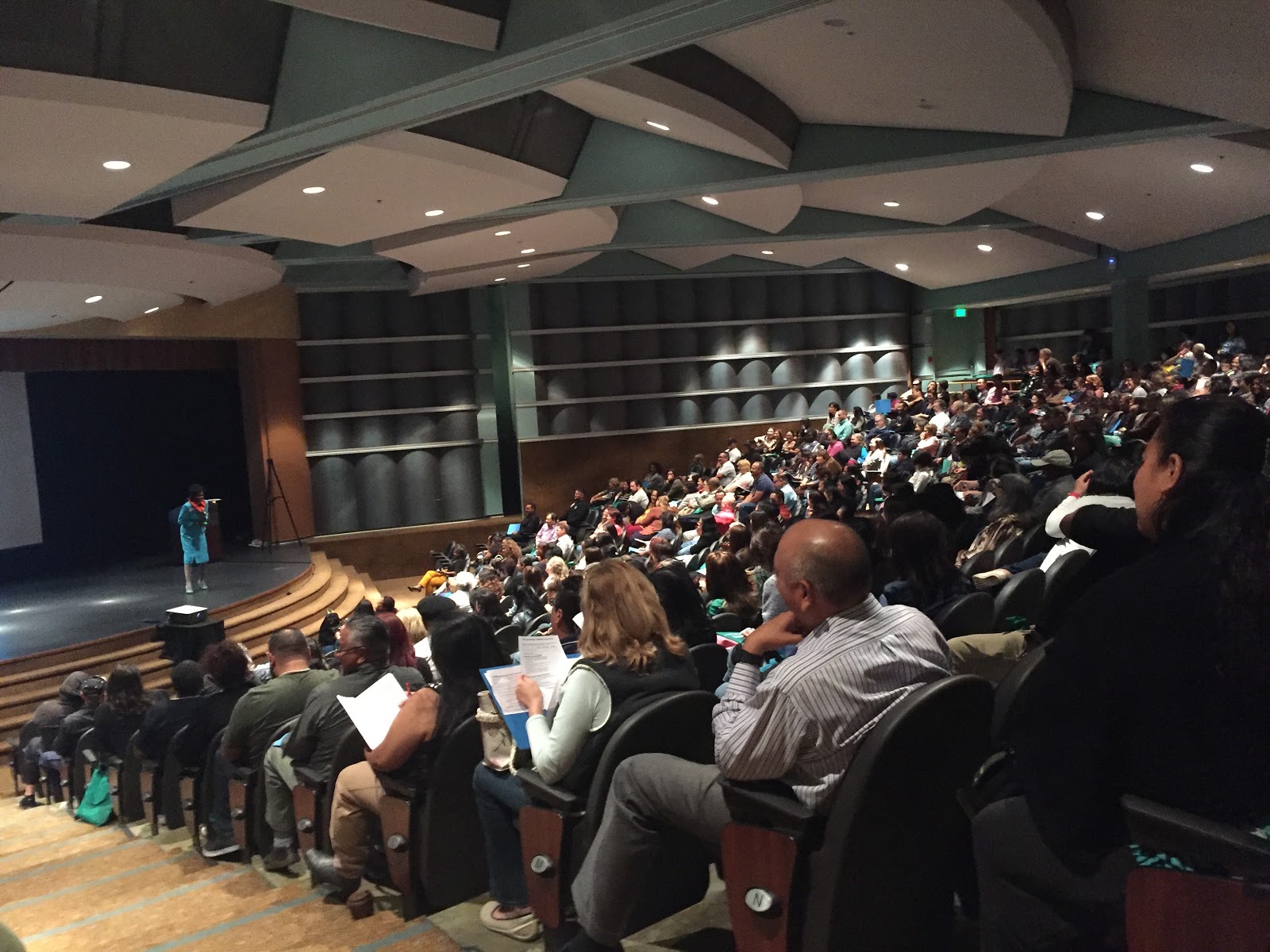
I too the opportunity to attend the Safety Seminar presented by Santa Clara County to its employees.  It was at the Santa Clara Convention Center.   I attended break out sessions on surviving an active shooter situation, and on taking care of yourself.  The big theme for me was taking time to breathe.  The keynote speaker talked about breathing, the breakout speaker, and the booth by County Wise included information on breathing.
The other theme was "coming home."  Being aware of your environment, and setting limits as needed, so as to come home in the evening.  This includes trusting your instincts.  Many at active shooter situations do not believe what they are seeing, and so stay around to become a victim.  The point is to get away as quickly as you can; to be aware of alternative exits, to come home at the end of the day.


awards ceremony


Wednesday, July 13, 2016

Summer Safety: Yellow Jackets

Yellow jackets can be nasty.  They can sting over and over.  The build paper nests made from wood and saliva.  It is a good idea not to provoke them.  Swinging or arms will not deter them.  Instead cover your face and walk away.  Do not try to approach their nests as they are known to swarm and will defend their nest.  Prevention is best.  Keep lids on trash cans, eliminate standing water, clear dirty dishes immediately, cover sugary drinks, hand traps away from where people will be.  If stung use soap and water, cover with a bandaid, watch for signs of allergic reaction (breathing issues).  If you are sensitive, go to the doctor immediately.

Friday, June 10, 2016

**Rattlesnake First Aid and Safety


The first part of rattlesnake first aid is to not get bit.  Don't hike with open toed shoes, avoid tall grass and clear your yard, look in crevices, seal gaps under doors, keep rodent populations low and fill in holes.  Rattling is not always an indicator of a snake.  Some snakes, especially young snakes, don't rattle,  Snakes will even bite after they are dead through reflex action.
What to do if you are bit by a rattle snake:
Stay calm, or calm the victim, keep the bitten part still, remove rings and other constrictive items and keep the bit area above the heart, clean the wound and apply a clean dry bandage, get victim to emergency facility, don't apply a tourniquet, don't pack in ice or apply a cold press, don't cut the bite site, don't suck the venom out with your mouth, don't let the victim eat, drink alcohol or take drugs.  This handout was provided by Santa Clara County Vector Control.

Wednesday, December 23, 2015

**E-Training: Fire Safety

This hits home in my life right now as I heal from a burn on my back after lighting myself on fire.  Fire is something you have to be carful with, and there are many sources of burns in our homes and at work.   Fire requires three things, heat, oxygen and fuel.  You fight fire by removing one of these things.  When you discover a fire in the hospital RACE--Rescue or remove those at risk, Initiate alert system, Contain the fire (such as closing door) and Extinguish.  As for using the extinguisher pull the pin, aim at the base, squeeze the handle and sweep from side to side.

Sunday, November 29, 2015

**10 Aqua Smart: Water Safety

I found this pamphlet at one of the health fairs.  I am not sure why it is in Spanish, but I will translate.  It gives ten rules for water safety:
1. Learn to swim.
2. Wear a life jacket.
3. Learn to float.  This is referring to safety measures for if you fall in a river or body of water.  Float towards the shore.
4. Reach, throw, row.  This rule deals with how to help someone needing assistance.  Always reach first, then throw a flotation device to them, and finally row to them.
5.  Look before you jump.  Always be sure you swim in an safe area.
6. Don't overfill your boat.  This also deals with balancing your boat.
7.  Stay with you boat.  If your boat should tip over, the safest place to be is with your boat until someone comes to rescue you.
8. Learn the rules for boat safety.
9. Alcohol, drugs and driving a boat don't mix.
10. Be careful to not litter.

Saturday, October 31, 2015

Halloween Safety Tips

This list is from American Academy of Pediatrics

Halloween Safety Tips

Halloween is an exciting time of year for kids, and to help ensure they have a safe holiday, here are some tips from the American Academy of Pediatrics (AAP). Feel free to excerpt these tips or use them in their entirety for any print or broadcast story, with acknowledgment of source.


ALL DRESSED UP:

  • Plan costumes that are bright and reflective. Make sure that shoes fit well and that costumes are short enough to prevent tripping, entanglement or contact with flame.
  • Consider adding reflective tape or striping to costumes and trick-or-treat bags for greater visibility.
  • Because masks can limit or block eyesight, consider non-toxic makeup and decorative hats as safer alternatives. Hats should fit properly to prevent them from sliding over eyes.
  • When shopping for costumes, wigs and accessories look for and purchase those with a label clearly indicating they are flame resistant.
  • If a sword, cane, or stick is a part of your child's costume, make sure it is not sharp or too long. A child may be easily hurt by these accessories if he stumbles or trips.
  • Obtain flashlights with fresh batteries for all children and their escorts.
  • Do not use decorative contact lenses without an eye examination and a prescription from an eye care professional. While the packaging on decorative lenses will often make claims such as "one size fits all," or "no need to see an eye specialist," obtaining decorative contact lenses without a prescription is both dangerous and illegal. This can cause pain, inflammation, and serious eye disorders and infections, which may lead to permanent vision loss.
  • Review with children how to call 9-1-1 (or their local emergency number) if they ever have an emergency or become lost/
 CARVING A NICHE:

  • Small children should never carve pumpkins. Children can draw a face with markers. Then parents can do the cutting.
  • Consider using a flashlight or glow stick instead of a candle to light your pumpkin. If you do use a candle, a votive candle is safest.
  • Candlelit pumpkins should be placed on a sturdy table, away from curtains and other flammable objects, and should never be left unattended.
 HOME SAFE HOME:

  • To keep homes safe for visiting trick-or-treaters, parents should remove from the porch and front yard anything a child could trip over such as garden hoses, toys, bikes and lawn decorations.
  • Parents should check outdoor lights and replace burned-out bulbs.
  • Wet leaves or snow should be swept from sidewalks and steps.
  • Restrain pets so they do not inadvertently jump on or bite a trick-or-treater.

ON THE TRICK-OR-TREAT TRAIL:

  • A parent or responsible adult should always accompany young children on their neighborhood rounds.
  • If your older children are going alone, plan and review the route that is acceptable to you. Agree on a specific time when they should return home.
  • Only go to homes with a porch light on and never enter a home or car for a treat.
  • Because pedestrian injuries are the most common injuries to children on Halloween, remind Trick-or-Treaters:
    • Stay in a group and communicate where they will be going. 
    • Remember reflective tape for costumes and trick-or-treat bags.
    • Carry a cellphone for quick communication.
    • Remain on well-lit streets and always use the sidewalk.
    • If no sidewalk is available, walk at the far edge of the roadway facing traffic.
    • Never cut across yards or use alleys.
    • Only cross the street as a group in established crosswalks (as recognized by local custom). Never cross between parked cars or out driveways.
    • Don't assume the right of way. Motorists may have trouble seeing Trick-or-Treaters. Just because one car stops, doesn't mean others will!
    • Law enforcement authorities should be notified immediately of any suspicious or unlawful activity.
HEALTHY HALLOWEEN:

  • A good meal prior to parties and trick-or-treating will discourage youngsters from filling up on Halloween treats.
  • Consider purchasing non-food treats for those who visit your home, such as coloring books or pens and pencils.
  • Wait until children are home to sort and check treats. Though tampering is rare, a responsible adult should closely examine all treats and throw away any spoiled, unwrapped or suspicious items.
  • Try to ration treats for the days following Halloween.


©2015 American Academy of Pediatrics

- See more at: https://www.aap.org/en-us/about-the-aap/aap-press-room/news-features-and-safety-tips/Pages/Halloween-Safety-Tips.aspx#sthash.CvD9vmSD.dpuf

Thursday, September 24, 2015

**Article Review: 10 Hidden Hazards in your House

This article appears in October 2015 "Parents" magazine.  The ten hidden hazards listed are:
mesh clothing hampers; the wires can come loose and injure eyes
Magnets; no good if swallowed
Button batteries; ditto
Detergent pods; look fun but they aren't and can injure throat esophagus
Hard candy; choking hazards (aka chokies)
Immersion blenders; very sharp
Prescription drugs
Falling televisions; wall mounted best
Spray bottles; look fun but often have chemicals
And lastly recalled items.

Monday, July 20, 2015

**Auto Safety and Children

Something we should never forget, and can always be reminded of, is keeping children around cars.  This pamphlet; put out by Valley Medical Center System does not focus on automobile accidents, but safety with regards to nontraffic incidents.  The most dangerous is backing over a child, followed by hyperthermia and then driving forward over a child.  Most of these accidents can be avoided with a little precaution.

 Part of the reason for these accidents is the blind spot behind a car.  This blind spot is greater for someone who is shorter.
Some safety tips from this pamphlet include: Walk all the way around a vehicle,
recruit another adult to watch children, teach children about the danger of parked cars, trim landscaping to allow clear sight, set the park brake every time, be sure your child is never forgotten in a vehicle.  


Wednesday, October 29, 2014

Halloween Safety Notes

This list is taken from the book Halloween: A True Book by Dana Meachen Rau
1. Take an adult with you and only visit houses of people you know.
2. Wearing makeup is safer than wearing a mask because it is easier for you to see.
3. If you do wear a mask, be sure the eye holes are large.  Please take it off when you have to cross the road.
4. Be sure your costume in nonflammable.  Also be sure it is bright enough to be seen in the dark.  If it isn't, wear reflective tape.
5. Be sure your costume isn't too long.  You don't want to trip on it.
6. Don't eat any candy until and adult checks through it [and takes the best pieces.]  [] is my addition.